
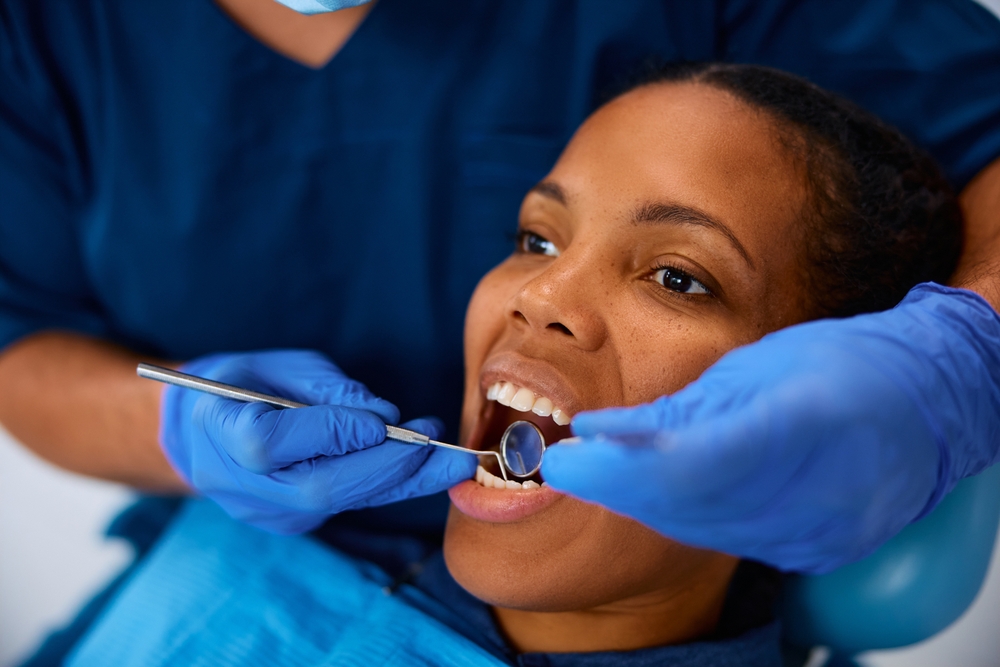
Have you ever wondered if all dental visits are the same? There is a clear difference between a routine checkup and a comprehensive dental exam, and knowing this helps you care better for your teeth and gums. A dentist in 17th Ave may recommend different types of visits based on your age, oral health, and dental history. Understanding what each visit includes makes it easier to choose the proper care at the right time.
Routine checkups help maintain oral health, while comprehensive exams look more closely to identify hidden problems. Both are important, but they serve different purposes.
What is a Routine Dental Checkup?
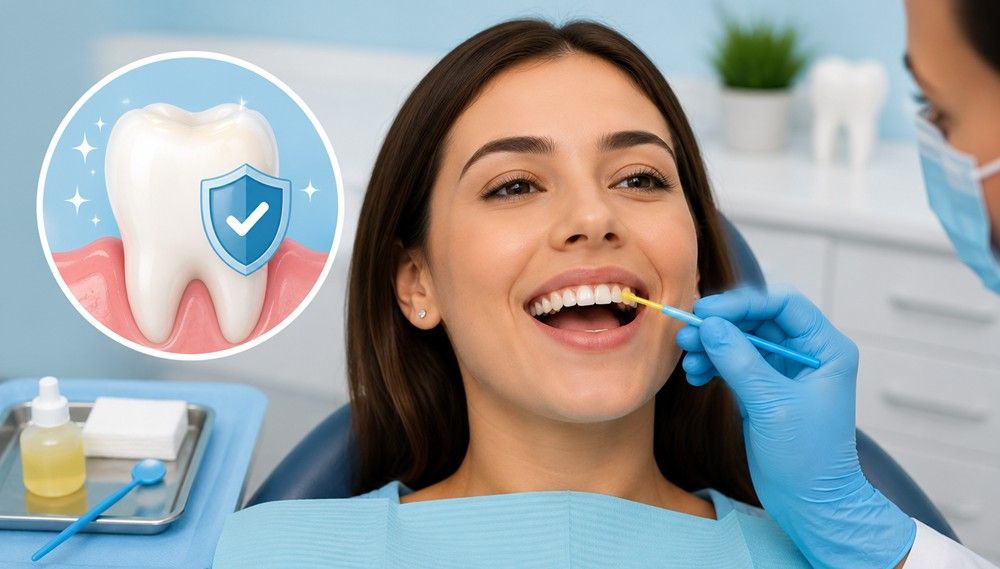
Visiting your dentist regularly can improve your oral health and smile. Most often performed twice a year, this is great for those with a stable mouth.
An exam is conducted from time to time.
- Checking your teeth and gums for any issues.
- Expert cleaning to eliminate plaque.
- Your oral hygiene habits.
- Please check for cavities or gum problems soon.
The visits are brief and preventive. They observe the details that can turn into bigger issues.
What is a Comprehensive Dental Exam?
A comprehensive exam is a more detailed evaluation of your entire mouth. It is often recommended for new patients or those with ongoing dental concerns. Many people schedule dental exams in Beltline, Calgary to gain a comprehensive understanding of their oral health.
This type of exam goes beyond the surface, focusing on long-term dental planning and risk detection.
What Happens During a Dental Exam?
People often ask, What happens during a dental exam? A comprehensive exam includes several detailed steps to check both visible and hidden issues.
It may involve:
- Full review of dental and medical history
- Detailed gum health measurements
- Digital X-rays to check the bone and roots
- Bite and jaw alignment check
- Oral cancer screening
- Discussion of current and future concerns
This exam provides a comprehensive overview of your oral health and helps develop a personalized care plan.
Key Differences Between Comprehensive Exams and Routine Checkups
The depth and purpose are where the difference lies. Comprehensive exams are for diagnosis and treatment planning, while routine exams are for maintenance.
Key differences include.
- Time: A thorough approach requires careful time management.
- Details: More tests and assessments are included.
- Purpose: One seeks to maintain health; the other assesses risk overall.
- Frequency: Comprehensive exams are done less often.
We need both visits, but they are not the same.
Why Are Dental Exams Important?
Many wonder, “Why is a dental checkup important?” It is just that they can find problems early.
Comprehensive exams can detect:
- Gum disease at the onset stage
- spaces between teeth which are not visible
- Bone loss around teeth
- Problems with the jaw joint
- Oral health changes are related to overall health.
A simple treatment and lower initial costs led to long-term results.
When Should You Get a Comprehensive Dental Exam?
A comprehensive exam is usually recommended:
- During your first visit to a new clinic
- If you haven’t seen a dentist in a long time
- When you have ongoing pain or discomfort
- Before major dental treatment
- If your oral health has changed
If you visit a dental clinic near youfor the first time, a comprehensive exam helps the dentist understand your needs clearly from the start.
The Role of the Dentist in Long-Term Oral Health
A skilled dentist on 17th Ave uses both routine checkups and comprehensive exams to protect our smile over time. These visits help track changes, adjust care plans, and prevent minor problems from becoming serious.
By combining both types of exams, dentists can:
- Monitor oral health changes.
- Adjust cleaning and care schedules.
- Plan preventive treatments
- Support long-term tooth and gum health.
This balanced approach keeps your smile healthy at every stage of life.
How Often Are Routine Checkups Needed?
It’s recommended to have a checkup every 6 months. However, if individuals are at higher risk of developing cavities or gum disease, they may need more frequent visits.
Checkups are helpful.
- Make sure to brush your teeth.
- Stop plaque accumulation.
- Breathe Fresh Always
- Use it every day to maintain good oral hygiene.
They are simple visits with long-term benefits.
How Exams and Checkups Work Together
Routine checkups and comprehensive exams aren’t foes. They work together to support your oral checkups.
Consider it like this.
- Regular Visits Keep What is Healthy
- People may hide many things in life.
Both preventive measures will keep your mouth strong, comfortable, and free of issues.
Ready to Take Control of Your Oral Health?
You can make a more informed decision about your smile when you understand the difference between the two. When you are ready to receive specialized attention and care, get in touch with 17th Ave Dental Choice today to schedule your appointment and take a step toward long-term dental health with confidence.
FAQs
Do comprehensive dental exams hurt?
No. The concerned people are kind and focus on the examination. Whatever discomfort is minimal.
Are X-rays necessary at every appointment?
Not necessary. A complete examination usually requires an X-ray, but it is performed only when needed.
Can children have comprehensive exams?
Yes. Children may receive a detailed exam if there are concerns about tooth growth or oral development.
How long does a comprehensive exam take?
Most comprehensive exams take longer than routine checkups, often around 60 minutes.