
Is fluoride treatment worth it for your teeth? Many people brush and floss every day but still wonder if fluoride treatment gives extra protection. Questions about fluoride are common, especially for people who want stronger teeth and fewer cavities. If you are looking for a dental clinic near you, you may be wondering if fluoride treatment is really helpful.
In many cases, fluoride treatment can help strengthen tooth enamel and reduce the risk of cavities. It can be helpful for children, teens, and adults who are more likely to get tooth decay.
What is Fluoride Treatment?
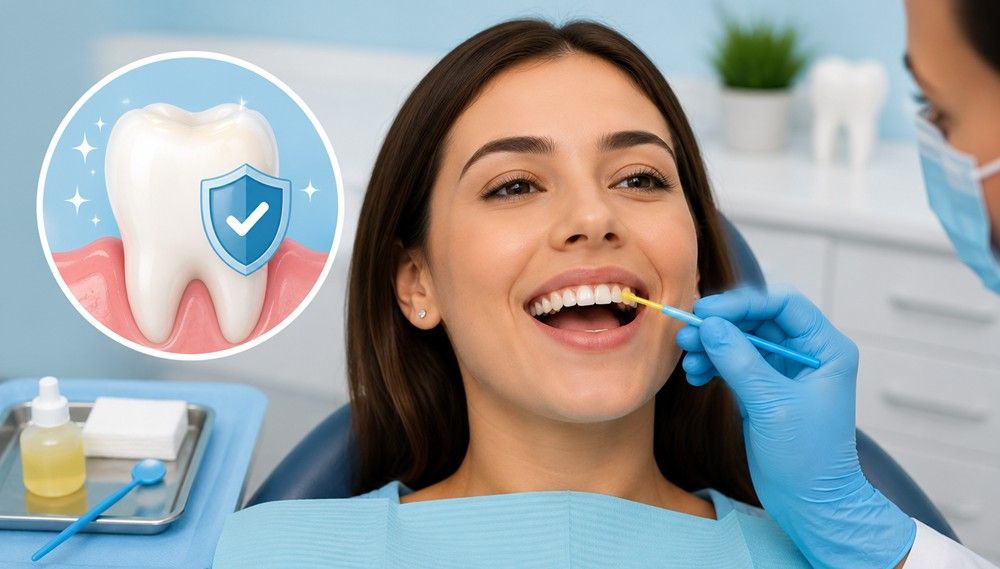
Fluoride treatment near you is a preventive dental procedure that helps strengthen tooth enamel. Fluoride is a natural mineral that helps protect teeth from acid attacks caused by bacteria, sugary foods, and drinks.
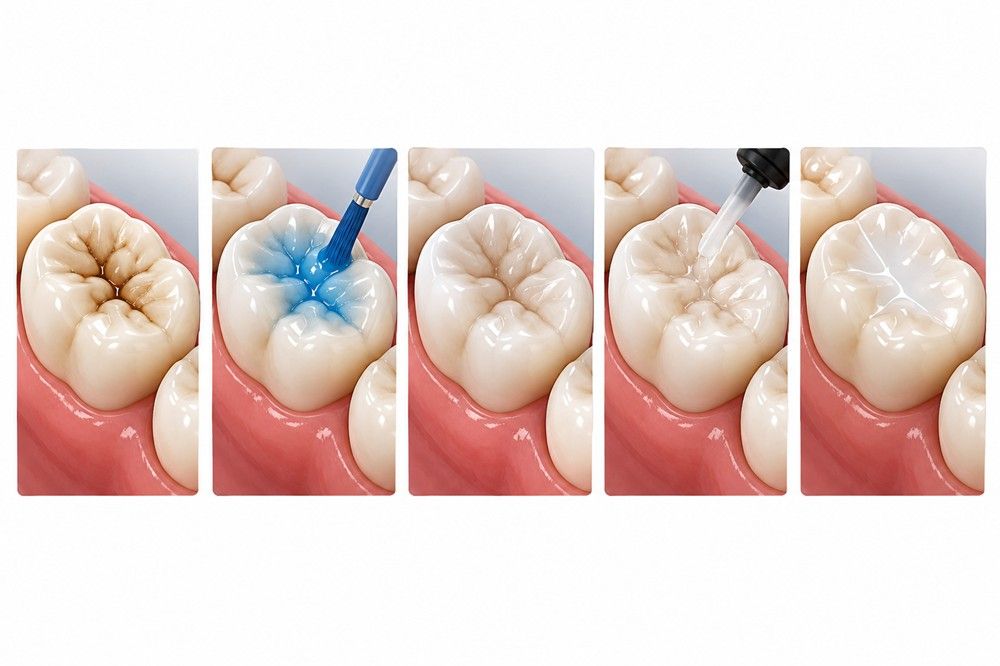
During treatment, a dentist applies a concentrated fluoride product directly to the teeth. This may come in the form of:
- Gel
- Foam
- Varnish
- Rinse
The treatment is quick, painless, and commonly done during regular dental checkups.
How Does Fluoride Help Teeth?
Every day, teeth lose minerals because of acids produced in the mouth. This process is called demineralization. Fluoride helps replace lost minerals and supports stronger enamel.
Fluoride may help by:
- Making weak tooth enamel stronger
- Slowing down the start of cavities
- Lowering the risk of tooth decay
- Helping to improve early tooth damage
- Protecting teeth from acid that can harm enamel
Fluoride cannot repair large cavities, but it may help protect teeth before the damage worsens.
Is Fluoride Treatment Worth It for Adults?
Many people think fluoride treatment is only for children, but adults can also benefit from it.
Adults may benefit if they:
- Get cavities often
- Have sensitive teeth
- Experience dry mouth
- Wear braces or dental appliances.
- Have gum recession exposing tooth roots
As people age, their teeth may become more vulnerable to decay. Fluoride can provide added protection in these situations.
Is Fluoride Treatment Helpful for Children?
Children are one of the main groups who benefit from fluoride treatment because their teeth are still developing.
Fluoride may help children by:
- Strengthening developing teeth
- Helping lower the risk of cavities
- Protecting areas that are hard to clean
- Supporting stronger and healthier tooth enamel
Children who eat a lot of sugary snacks or have trouble brushing properly may benefit more from fluoride protection.
How Often Should Fluoride Treatment Be Done?
The frequency of fluoride treatment depends on a person’s dental health and risk of cavities.
Common treatment schedules include:
- Every 6 months during regular dental checkups
- More often for people who have a higher risk of cavities
- Based on age, enamel condition, and oral hygiene habits
A dental professional can recommend the right schedule after examining the teeth and gums.
Is Fluoride Treatment Safe?
Fluoride treatment is generally safe when performed by a dental professional. The amount of fluoride used is carefully measured.
Important safety facts:
- Dentists use safe amounts of fluoride during treatment.
- Fluoride is applied directly to the teeth.
- Patients are usually told not to eat or drink for a short time after treatment.
- Serious side effects are rare when instructions are followed properly.
The goal is to strengthen enamel without overexposure.
What Happens During a Fluoride Treatment Appointment?
The procedure is simple and usually takes only a few minutes.
Typical steps include:
- Teeth are cleaned and examined.
- A fluoride product is applied to the teeth.
- The product remains on the teeth for a brief time.
- Patients may be asked not to eat or drink for a short time afterward.
The treatment does not involve drilling, injections, or discomfort.
Why Do Some People Need Fluoride More Than Others?
Not everyone has the same chance of getting cavities. Some people need extra protection for their teeth.
A higher risk of cavities may happen because of:
- Not brushing and flossing properly.
- Eating or drinking too much sugar
- Dry mouth problems
- Having cavities in the past
- Trouble cleaning teeth well
Fluoride treatment is recommended based on each person’s dental health and needs.
Can Fluoride Replace Brushing and Flossing?
No. Fluoride treatment supports oral health, but it does not replace daily dental care.
Healthy habits still include:
- Brush twice daily.
- Utilizing Dental Floss Regularly.
- Limiting sugary foods and drinks
- Visiting the 17th Ave Dental Clinic for Routine Checkups
Fluoride works best when combined with consistent oral hygiene habits.
Signs You May Benefit From Fluoride Treatment
Some signs indicate that extra enamel protection is helpful.
Common signs include:
- Frequent cavities
- Tooth sensitivity
- White spots on teeth
- Dry mouth
- Weak enamel was noticed during dental exams.
A dental evaluation can help determine whether fluoride treatment is a good option.
Protect Your Teeth Before Problems Get Worse!
Fluoride treatment can strengthen enamel and reduce the risk of developing a cavity before it worsens. Early dental care helps prevent complex tooth problems in the future. Thus, it is rather effective for proper health. Schedule your next dental visit with 17th Ave Dental Choice to learn whether preventive treatments are right for your smile.
FAQs
How long does fluoride remain on teeth?
Fluoride maintains its protection on teeth for hours after being applied. Patients are usually told not to eat or drink for a short period afterwards.
Is fluoride treatment just for kids?
Nope. It is useful for adults as well, particularly if they have sensitive, dry teeth or a history of cavities.
Can fluoride help sensitive teeth?
Yes. Fluoride may help strengthen enamel and reduce sensitivity caused by weak or exposed tooth surfaces.
How often should fluoride treatment be done?
Many patients receive fluoride treatment every six months, but the schedule depends on individual oral health needs.